

This vegan japchae is a plant-based version of the classic Korean noodle dish, minus the meat! Vibrant and satisfying, this comforting recipe is ready in 40 minutes.
Commonly served as banchan (side dish), it pairs well with bibimbap, vegan kimchi jjigae, or tofu bulgogi. It is also great as a light summer meal with a glass of lemon barley water.
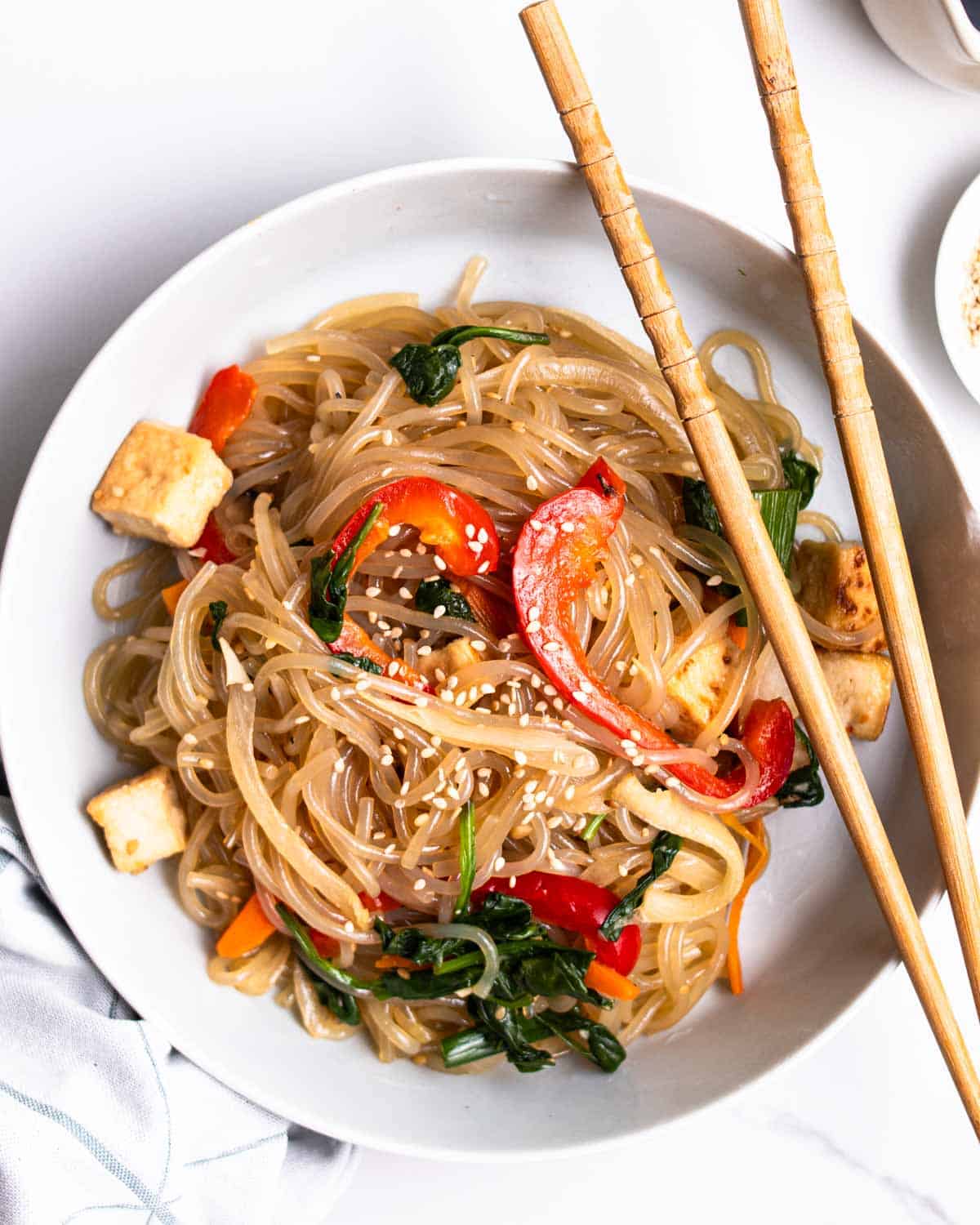
Growing up during the K-drama craze, I had my fair share of Korean foods, and one of my favorites is japchae! It is one of the nostalgic dishes I knew I had to recreate.
After multiple batches of testing, I am excited to share this vegan japchae recipe. It has all the flavors of the traditional dish, featuring chewy noodles, vibrant veggies, and tofu cubes as a meat substitute.
Much like my vegan kimbap and vegan tteokbokki, it is a great side dish. But equally, I love having it on its own as a refreshing summer lunch.
Jump to:
💚Why you will love vegan japchae
- A vibrant and flavorful dish that is incredibly satisfying
- Easy to make and comes together in 40 minutes
- Great for packed lunch and can be enjoyed warm or cold
- Healthy and is packed with veggies and protein-packed tofu
🍄What you will need
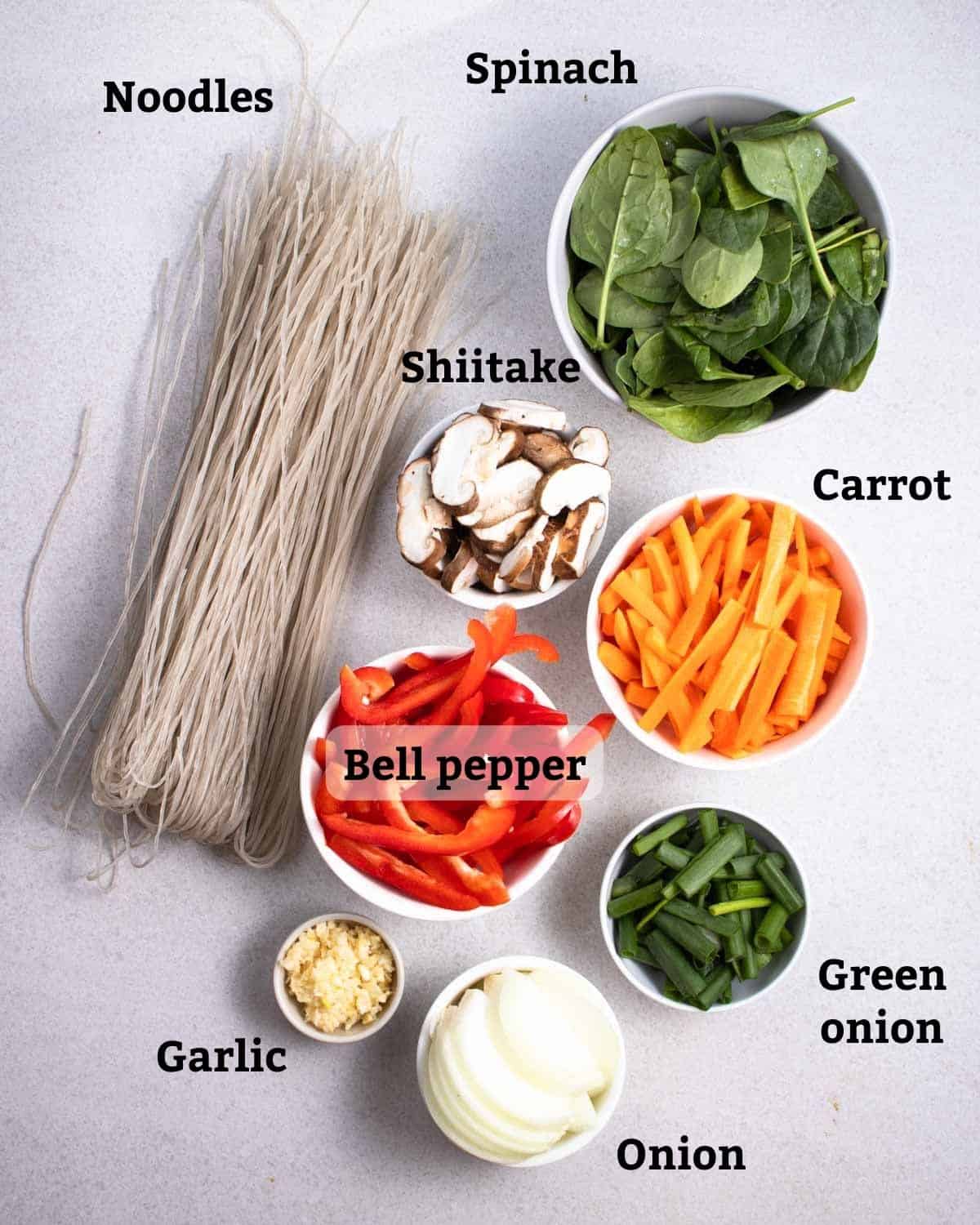
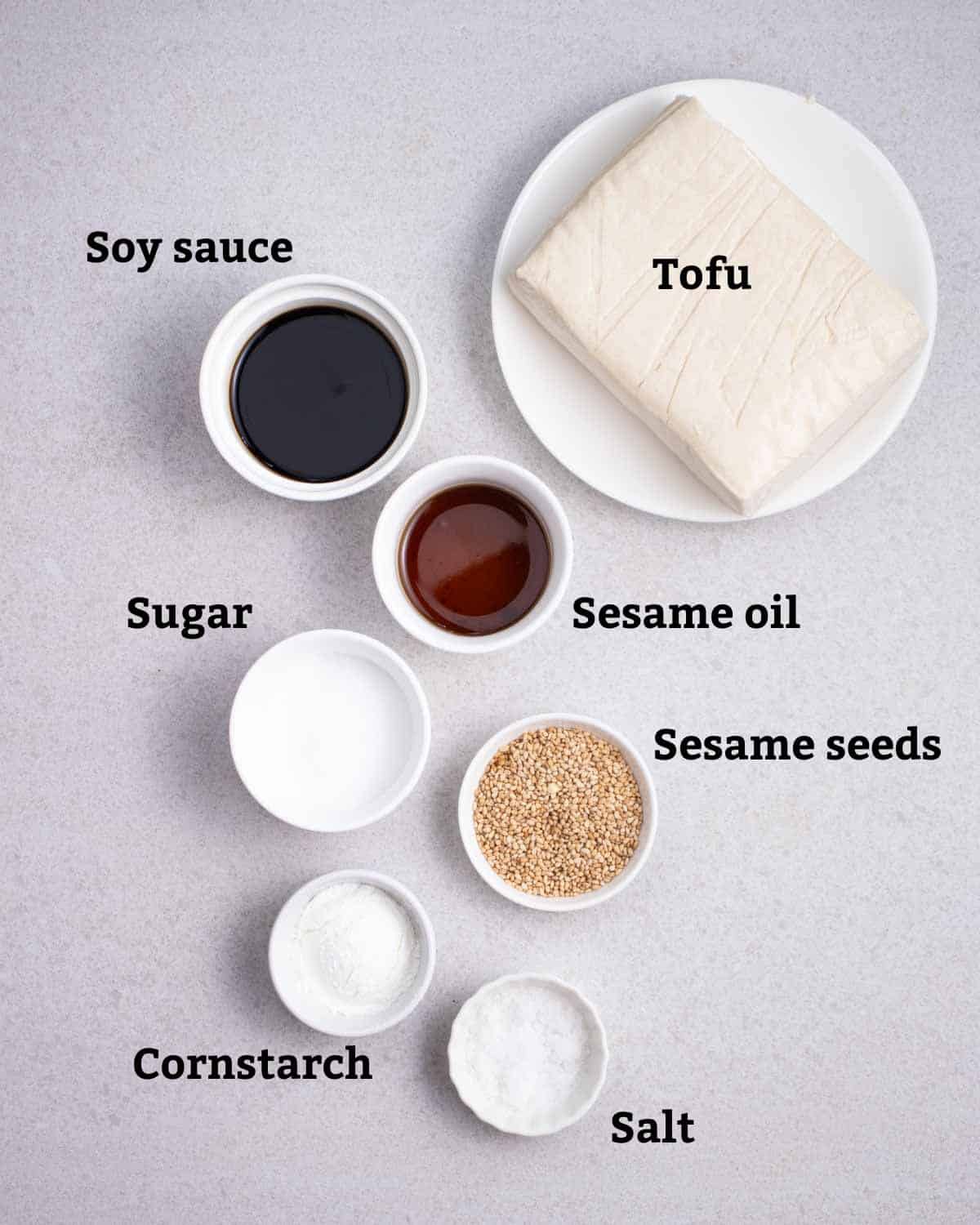
- Sweet potato noodles (Dangmyeon) - Made from sweet potato starch, it is naturally gluten-free. When cooked, it turns translucent and has a unique chewy, bouncy texture. Find it in the international food aisle of your local grocery, Asian market, or online.
- Tofu - Use extra-firm or super-firm tofu.
- Shiitake mushrooms - Both fresh and dried shiitake work, but you will need to soak dried ones for 30 minutes before using.
- Soy sauce - Korean soy sauce gives the most authentic flavor, but any will work. Use a gluten-free soy sauce to make this recipe completely gluten-free.
- Sesame oil - Use toasted one, like this Kadoya sesame oil.
See the recipe card for full information on ingredients and quantities.
✨Ingredients substitutions and add-ins
- Vegetables - Can be replaced with other veggies including cabbage, zucchini, button mushrooms, bean sprouts, or Chinese greens.
- Tofu - Use smoked tofu or soy sauce tofu for a more flavorful dish. Or substitute with tempeh, slices of vegan steak, or seitan chicken.
- Egg - Egg strips are common in japchae, but you can make a plant-based version by making my tofu omelette, slicing it up before adding to the noodles.
🔪How to make vegetarian japchae
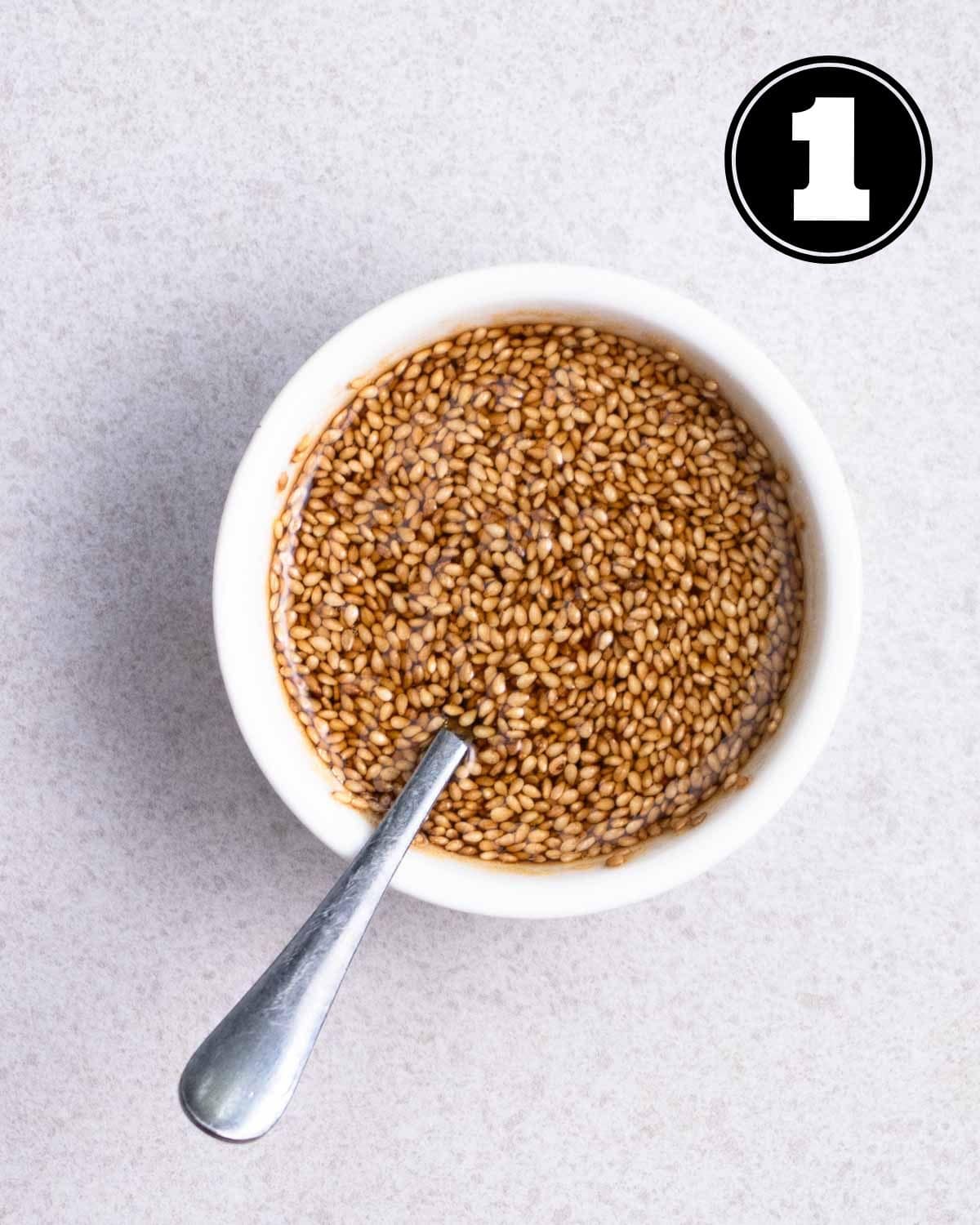
Step 1: Make the sauce by combining all the seasonings.
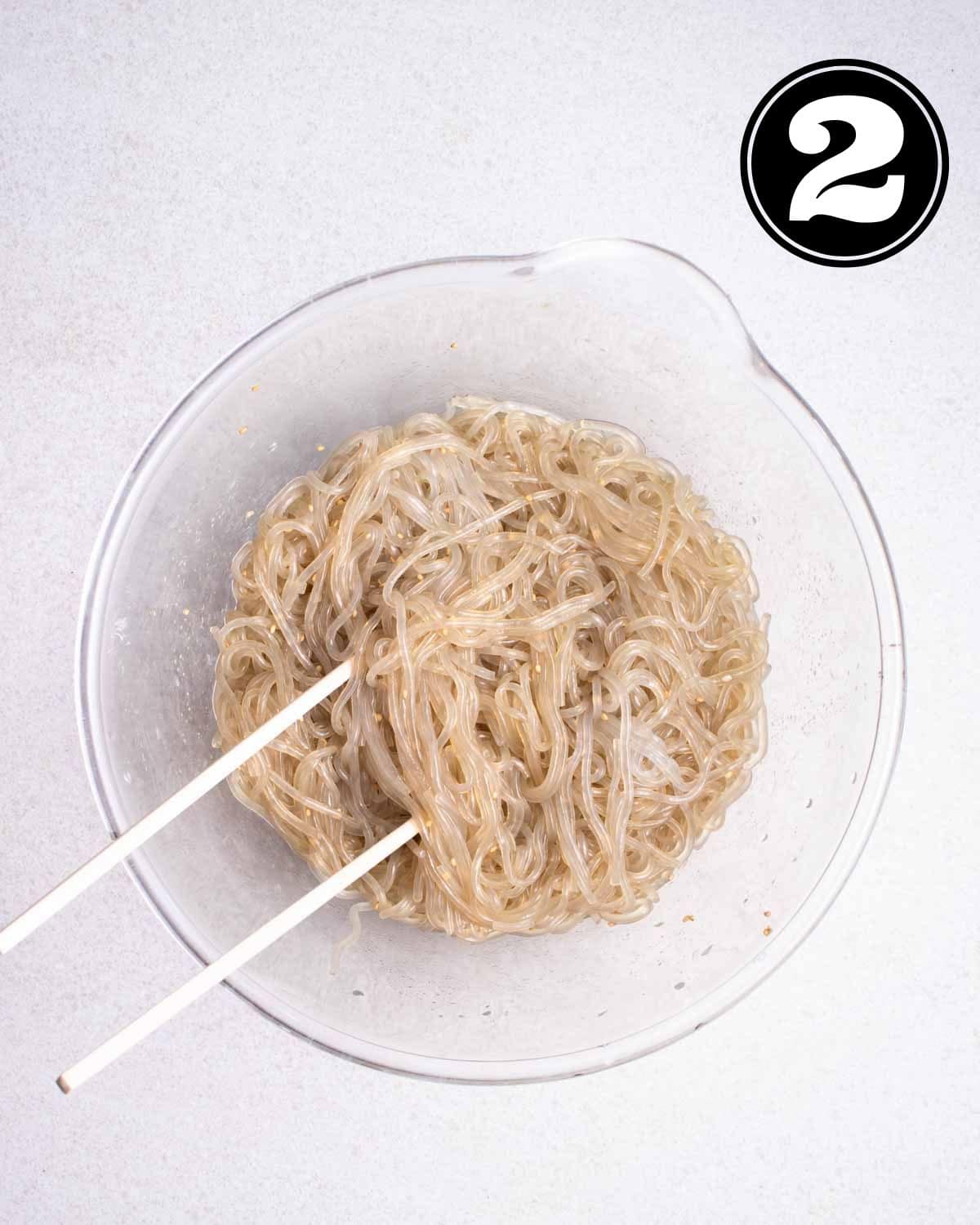
Step 2: Cook noodles until soft and transparent. Then, transfer them to a bowl and add 3 tablespoons of sauce. Mix well.
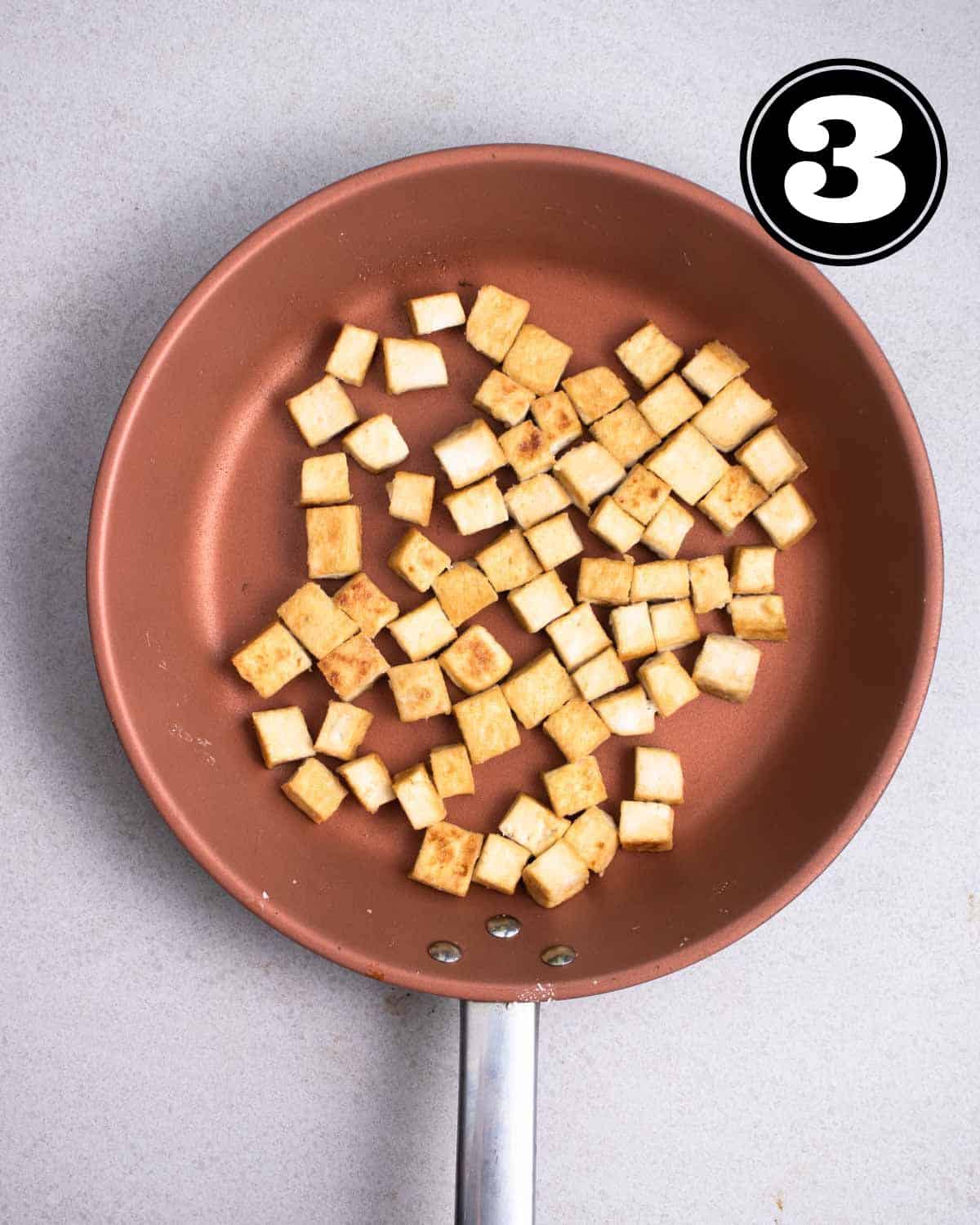
Step 3: While the noodles are cooking, pan-fry tofu for 2-3 minutes on each side or until most sides are golden brown. Set aside.
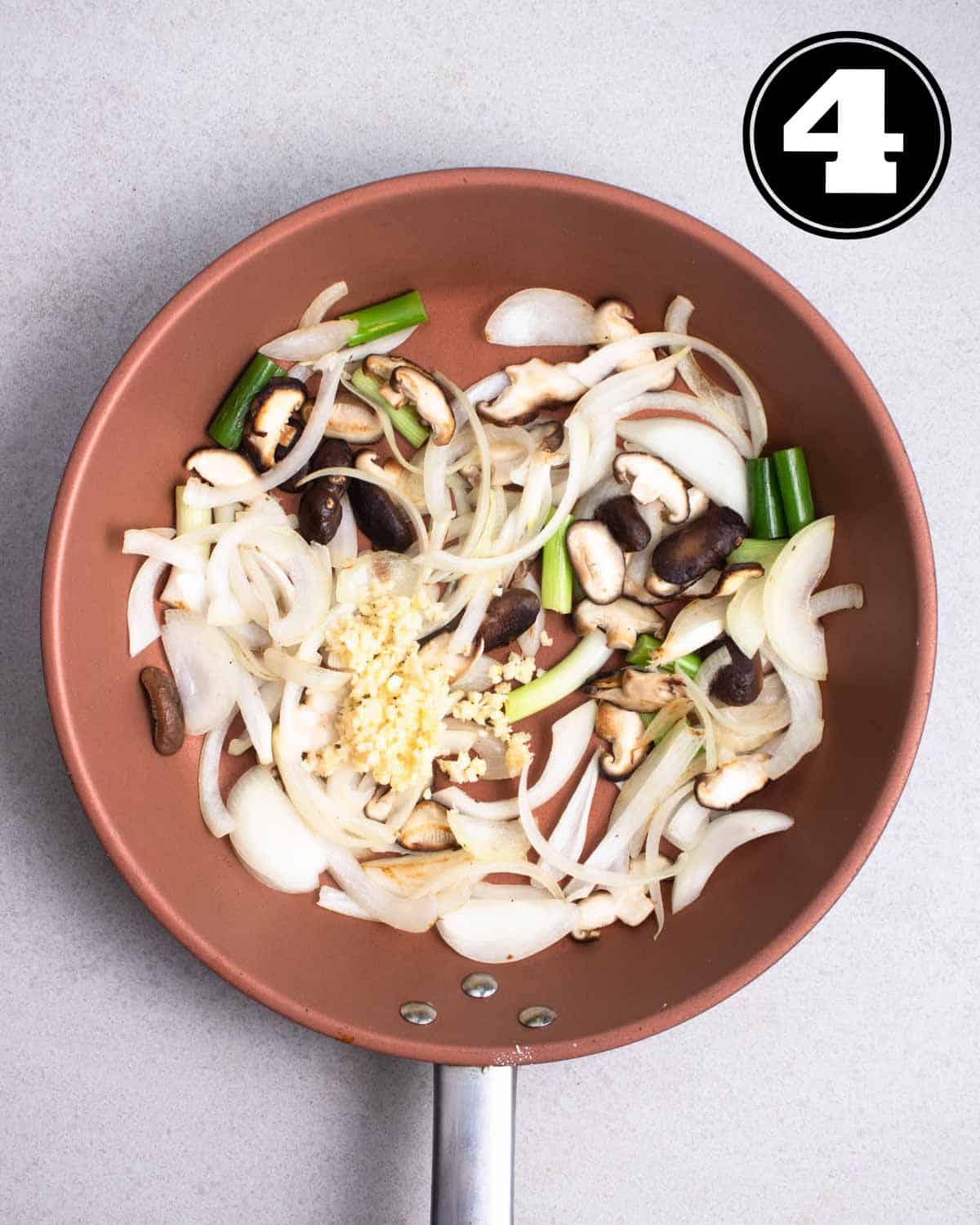
Step 4: Fry onion and mushrooms for 2-3 minutes. Then, add garlic and fry for a minute. Add to the bowl of noodles.
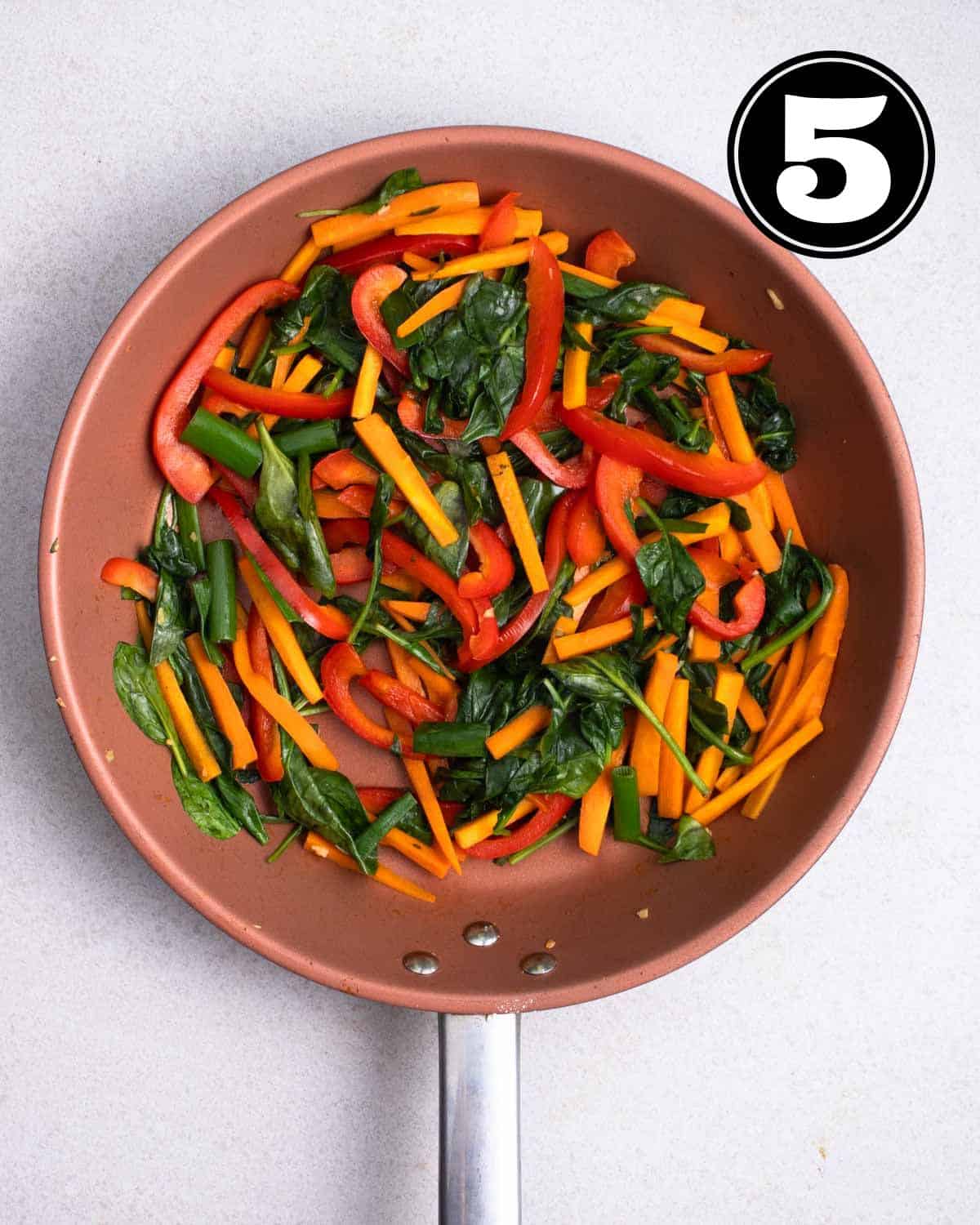
Step 5: Fry carrot and bell pepper for 1-2 minutes before adding spinach and cooking until wilted.
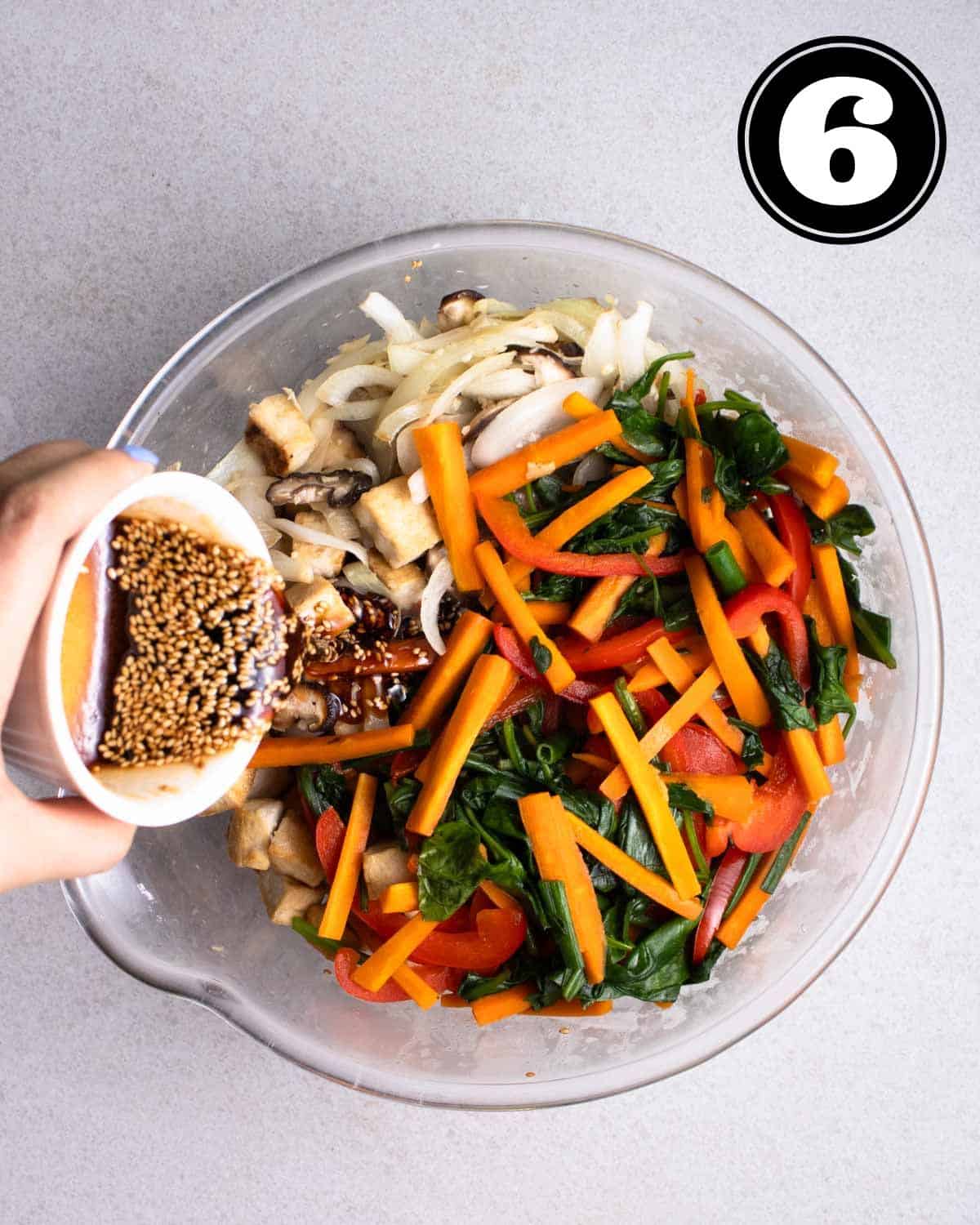
Step 6: Add cooked vegetables to the bowl of noodles, then stir in the remaining sauce. Add more seasonings if needed. Your vegan japchae is ready to serve.
Save this recipe!
Also get a FREE high-protein vegan recipe eBook + weekly new recipes! Unsubscribe anytime.
✅Helpful tips
- Careful not to overcook vegetables - Vegetables should be tender but crisp; overcooking makes them go mushy.
- Serving japchae - Vegan japchae can be served warm or cold. It is traditionally served as a banchan with rice and Korean mains, but you can have it as a meal.
❄️Storing and meal prep tips
Storing - Leftover japchae can be refrigerated for 3 days in an airtight container, or frozen for 3 months. I like to divide it into individual portions with freezer bags before freezing.
Reheating - Allow frozen noodles to thaw overnight, then reheat japchae in a skillet over low heat. Or sprinkle some water and heat in the microwave at 30-second intervals.
?Commonly asked questions
Japchae is a versatile dish that can be served hot, at room temperature, or straight out of the fridge. If you prefer to serve your noodles hot, heat them on the stove with some sesame oil before serving.
The best substitute for sweet potato noodles is Chinese glass noodles. However, you can use rice noodles instead, though they will lack Japchae's signature chewy texture.
To prevent japchae noodles from sticking and clumping, plunge them into cold water right after boiling to stop them from cooking further.
Drain well, then immediately add some sauce. Sesame oil in the sauce will prevent noodles from clumping.
Japchae consists of dangmyeon made from sweet potato starch, which makes it naturally gluten-free. However, to make this dish completely gluten-free, use a certified gluten-free soy sauce.
🍽️More Asian noodles recipe


If you made this recipe, leave a rating and comment below. We would love to hear from you! Subscribe to My Plantiful Cooking to get new recipes delivered straight to your inbox! Follow us on Instagram, Facebook, and Pinterest to get the latest updates. 😉
📖 Recipe

Vegan Japchae (Korean Glass Noodles Stir-fry)
Ingredients
- 8 oz sweet potato noodles (dangmyeon) *
For the sauce
- ¼ cup Korean soy sauce or regular soy sauce/tamari (use gluten-free if needed)
- 3 tablespoons sugar
- 2 tablespoons sesame oil
- 1 tablespoon toasted sesame seeds
For pan-fried tofu
- 1 14 oz block extra firm or firm tofu pressed and cubed
- 1 tablespoon cornstarch
- ½ teaspoon salt
Rest of the ingredients
- 1 medium yellow onion diced
- 4-6 fresh shiitake mushroom sliced (or dried shiitake)**
- 2 stalk green onion sliced into 2 inches pieces, white and green parts separated
- 3 cloves garlic minced
- 1 medium carrot julienned
- 1 red bell pepper julienned
- 4 oz spinach
Instructions
- Combine all ingredients needed to make the sauce. Mix well.
Cooking noodles
- Cook noodles in a pot of water for 6-8 minutes. They will turn translucent and soft once cooked.
- Drain cooked noodles, and rinse them under cold water.
- Transfer them to a large bowl. Using a pair of kitchen shears, give the noodles a few cuts.
- Add 3 tablespoons of the sauce to the noodles. Toss to mix.
Pan-frying tofu
- While the noodles are cooking, prepare the tofu. Add tofu cubes into a container along with cornstarch and salt. Cover it and toss to mix.
- Heat a tablespoon of oil in a non-stick wok or pan over medium-high heat. Pan-fry tofu for 2-3 minutes on each side or until most sides are browned.
- Add tofu to the bowl of noodles.
Cooking vegetables
- In the same wok, add a teaspoon of oil and toss in onion, mushrooms, and the white parts of the green onion with a pinch of salt. Cook for 2-3 minutes or until veggies are soft.
- Stir in garlic and fry for another minute. Then, add it to the bowl of noodles.
- Heat another teaspoon of oil and add carrot and bell pepper to the wok. Stir-fry for 1-2 minutes.
- Add spinach and cook until it is wilted. Add vegetables to the bowl of noodles.
Assembly Japchae
- Add the remaining sauce into the bowl of noodles, vegetables, and tofu.
- Toss to mix, giving a taste and adding more seasonings if needed. Vegan Japchae is ready to be served!
Notes
- Substituting sweet potato noodles - The best substitute is Chinese glass noodles. However, you can use rice noodles instead, though they will lack Japchae's signature chewy texture.
Save this recipe!
Also get a FREE high-protein vegan recipe eBook + weekly new recipes! Unsubscribe anytime.
Nutrition
Nutrition info calculated is just a rough estimate and is provided as a courtesy. Bear in mind that value will vary based on variables like specific brand or type of product used. To obtain the most accurate representation, it is highly recommended that you calculate it on your own with the actual amount and type of ingredient used.



Elle Hilley says
Hi, I’ve been using this recipe and loving it for a long while. I just noticed there are now changes and I’m confused? Was this updated? Please let me know thank you
Jim Mee Sha says
Yes this recipe was improved and updated!
joshua barbara says
This doesn’t have gochujang, nor ginger in the recipe. I recommend using sesame oil for all oils.
Meesha says
Authentic Japchae usually do not include gochujang or ginger, but you can add them in if you like!
Ali says
This was so good! I had most ingredients on hand so it was super economical and easy to make too. Will definitely be making it again.
Meesha says
Yay, really glad you like it!